
Stock Management – Focus on Automated Reordering
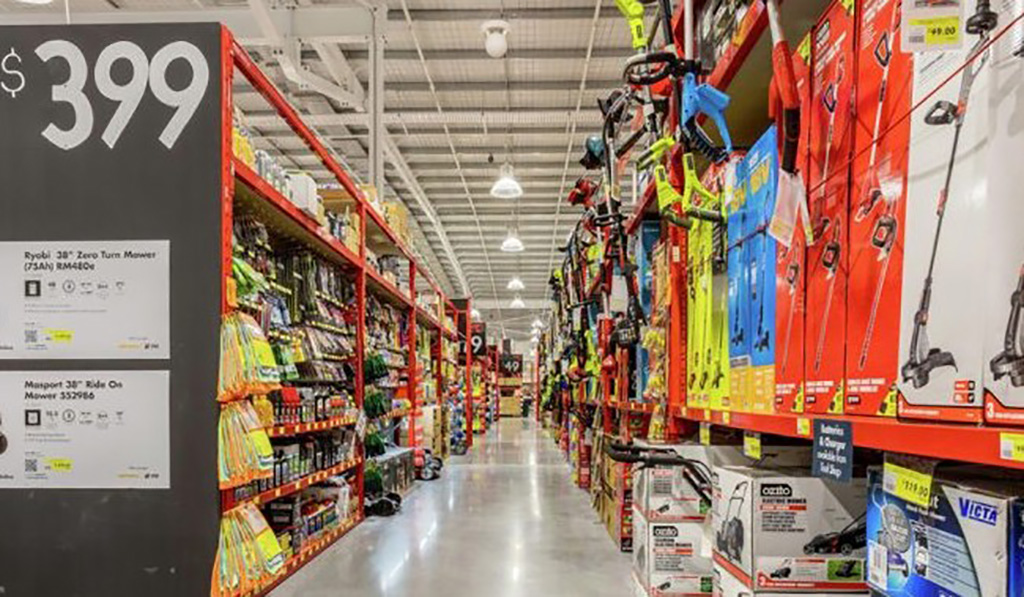
Modern retailers like Bunnings have largely shifted to automated reordering systems to manage inventory, which has changed the game for stock management in stores. Instead of manual orders placed by store staff, a computer system (such as Bunnings’ new Demand & Replenishment system) monitors sales and stock levels and triggers orders when it calculates they’re needed. While this is efficient, it introduces a critical factor: the accuracy of data. The system can only reorder based on what it “thinks” is on the shelf. That’s where our merchandising team plays a pivotal role. We focus on doing everything possible to keep data accurate and shelves configured in a way that triggers reorders properly. Below are the key aspects of how we support stock management in an automated reordering world:
- Ensuring Correct Shelf Locations and Labels: In an automated system, each product’s shelf location (often identified by a label with a product code) is tied to the ordering system. Our team periodically check that products are in their rightful place and that the shelf labels are present and correct. Why is this important? If stock is delivered to a store but the shelf location isn’t properly labelled, that stock might sit in the wrong place or remain in top stock. By regularly refreshing labels and making sure every product has a home, we help store staff quickly find where to put new stock, meaning products make it out for sale faster.
- Data Integrity Audits: We perform routine stock audits to reconcile physical counts with the system’s recorded on-hand quantity. A common scenario we encounter is the system registers there is stock when in reality the shelf is empty – due to misplaced or stolen stock. In an automated ordering setup, if the system thinks there are 10 units on hand, it will not reorder that item – even if in reality there are zero on the shelf. This is a recipe for a stock-out. Our merchandisers are trained to spot these discrepancies: if they see a product’s location empty, they check the system’s data on their device. If a mismatch is found, we organise an inventory adjustment by alerting the store management to correct the on-hand number. By fixing these errors, we restore the system’s ability to reorder the item. This diligence prevents prolonged out-of-stocks that hurt sales.
- Regular Range & Shelf Capacity Checks: We also keep an eye on whether the store has all the SKUs it’s supposed to carry (range compliance) and whether the shelf capacities are appropriate. If we notice that a product is selling out too quickly between deliveries. That’s a sign the system’s parameter might be set too low. We can flag this to either adjust the shelf quantity or raise it through proper channels. By having “boots on the ground,” we can spot these trends faster than a distant system might, and relay suggestions to optimise reordering settings. Additionally, we perform range audits comparing what’s on the shelf to the client’s product range list. If we find a line that is supposed to be ranged but is missing in a store, we take action to get it in. That might involve talking to the department supervisor or using our reporting to inform the client and Bunnings buying team. Getting a missing line onto the shelf will cause the system to recognise its presence and start tracking its stock level and reordering when it sells.
- Focus on Presentation to Drive Sales Velocity: Keeping products well-presented and accessible affects automated replenishment too. If an item isn’t selling, it won’t trigger reorders frequently. Poor presentation (items shoved to the back or not brought down from overhead) can reduce sales because customers might not see the product or think it’s out of stock. Our team’s job is to make sure every product is in a selling position. We “face up” products (pull them to the front of the shelf), and downfill from overhead any available stock to keep the shelf quantity optimal. We remove any barriers to purchase such as cleaning off dusty packages, fixing packaging where possible and flagging damaged product that should be removed from the shelf. These actions ensure the product has the best chance to sell continuously. When sales flow unhindered, the auto-replenishment works as intended – selling down triggers new orders.
- Monitoring System Rollouts and Issues: When retailers implement new inventory systems, there can be hiccups. We experienced this with Bunnings’ introduction of their D&R (Demand & Replenishment) system. Our team closely monitored how it affected ordering. Indeed, we spotted instances where data like “sweep dates” (which indicate when inventory counts refresh) were missing, or base stock levels were set incorrectly. By catching these, we prevented potential reorder failures. We compile such findings and share them with our clients and the retailer so that the system settings can be corrected centrally. In other words, our field intelligence can lead to system-wide improvements. The key message here is that automation is great, but not infallible – human oversight is still needed to handle exceptions and fine-tune the process.
In summary, our stock management approach in the era of automated reordering revolves around proactive intervention. We don’t place orders manually as much as in the past, but we do everything to make sure the system places the orders it should. Our longstanding field team has shifted from physically writing orders to becoming stewards of data integrity and shelf excellence. As retail has evolved, we have evolved with it. Retailers have become more sophisticated in keeping inventory levels lower. Our focus is on triggering a reorder through steps like labels, audits, range checks, and presentation. This means our clients’ products aren’t left high and dry due to a miscount or a misplaced label. The payoff is fewer lost sales due to stockouts and a smoother supply flow. It’s a perfect example of how behind-the-scenes diligence in merchandising translates directly into better sales performance on the shop floor.